It feels like a million years since we’ve had a Tokyo Joshi show and my God am I glad to have them back. Few things fill me with as much joy as a couple of hours spent with TJPW, so let’s stop blathering and start watching.
When you get past the discussion as to whether wrestling should be running empty arena shows, the biggest talking point for most fans at the moment is how to go about making those shows work. As I write this, the only WWE I’ve watched took place in a graveyard, but it’s safe to say their television efforts have been widely criticised and while AEW hasn’t been quite as badly received, no-one is screaming from the rooftops about them being shows of the year. Wrestling is struggling with how to present itself in a fan-less environment, and it’s quite interesting watching companies scramble for answers.
I haven’t stopped feeling weird about Japanese companies going back to hosting live wrestling shows, but I’d be lying if I said I didn’t enjoy having the Up Up Girls kick off a show. Tokyo Joshi was back in front of fans and, to celebrate, were giving us the next chapter in the feud of the year. Misgivings or not, it’s hard not to enjoy that.
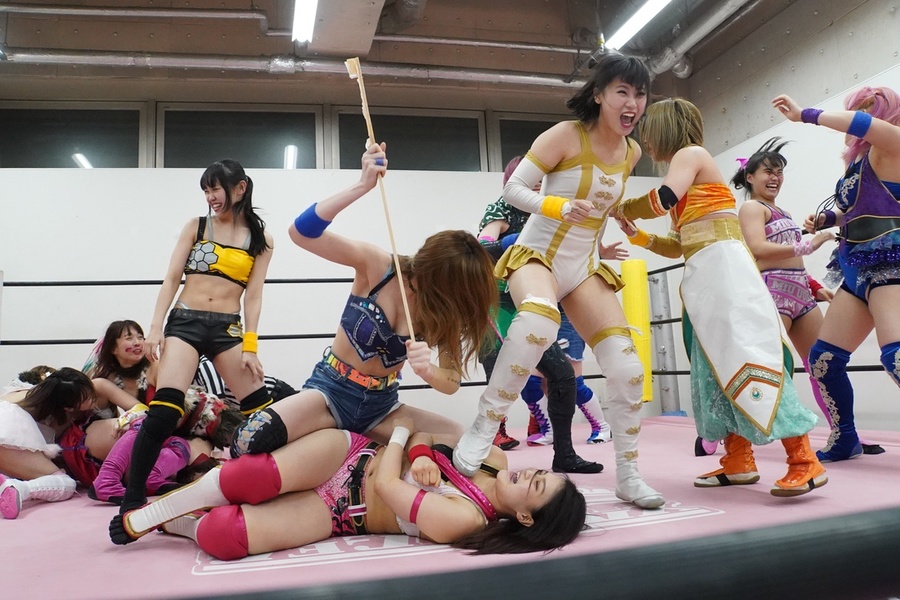
Fresh off my favourite show of the year so far, Tokyo Joshi were back in the Dojo for another tournament. This time the roster was split into teams based on the colour of their attire, with wins earning two points, draws one and a loss none. The team with the most points at the end of the night would win themselves a day pass to a theme park, so that’s exciting. Will it be more hotly contested than the free meal? Time to find out.
With Tokyo Joshi joining DDT in having shows cancelled by the coronavirus scare, they decided to give us a wee treat in its place. A one-day tournament that aired live from the Dojo with the winner receiving dinner coupons for Genghis Khan Kirishima, hence the convoluted name. It was taking place under what I shall refer to as snappy rules which were as follows:
Two count falls for the first three rounds with five minute time limits and janken tie-breakers.
Three count falls for the semi-finals with five minute time limits and one count fall tie-breakers.
Three count fall for the final with a ten minute time limit and a one count fall tie-breaker.
Thanks, as always, to ddtpro_eng on Twitter for all the translations.
Shows packed with tag matches are the kind that I might generally breeze past without feeling the need to review, but this one was headlined by Lana Austin’s title shot, which brought a sparkle that caught my eye. Throw in a couple of other exciting developments, and out of nowhere, this became one you wouldn’t want to miss. Why? Read on to find out.
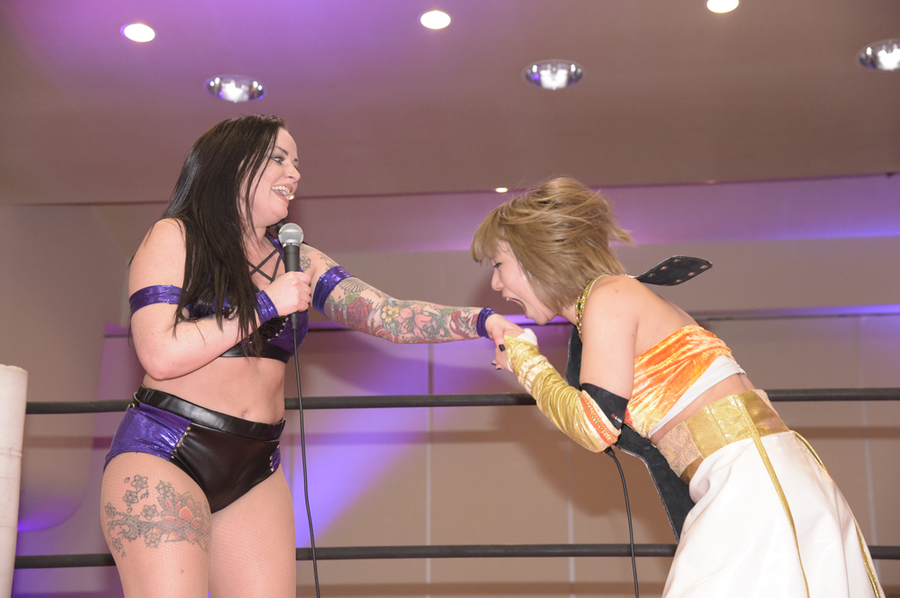
Tokyo Joshi’s strong start to the year continued with another intriguing card to kick-off February. We’ve got Raku’s continued attempts to win a match, Maki going up against Pom and a new challenger for Yuka in the form of Lana Austin. How did things shape up? Well, read on to find out.
A trios tournament and Maki vs Yamashita made Tokyo Joshi’s latest trip to Osaka feel like a must-watch show. Throw in a couple more intriguing singles matches and, well, here we are, it’s review time!
January 4th might be Tokyo Dome day, but it’s quickly becoming Tokyo Joshi day too. Before making my way to Wrestle Kingdom, I wandered into Korakuen for the final time on this trip to watch a show with one hell of a card. Could it live up to it? Time to find out.
As has been the norm for reviews from this holiday, don’t expect too much in-depth detail. I don’t take notes and it’s much harder to write long reviews off of memory alone.
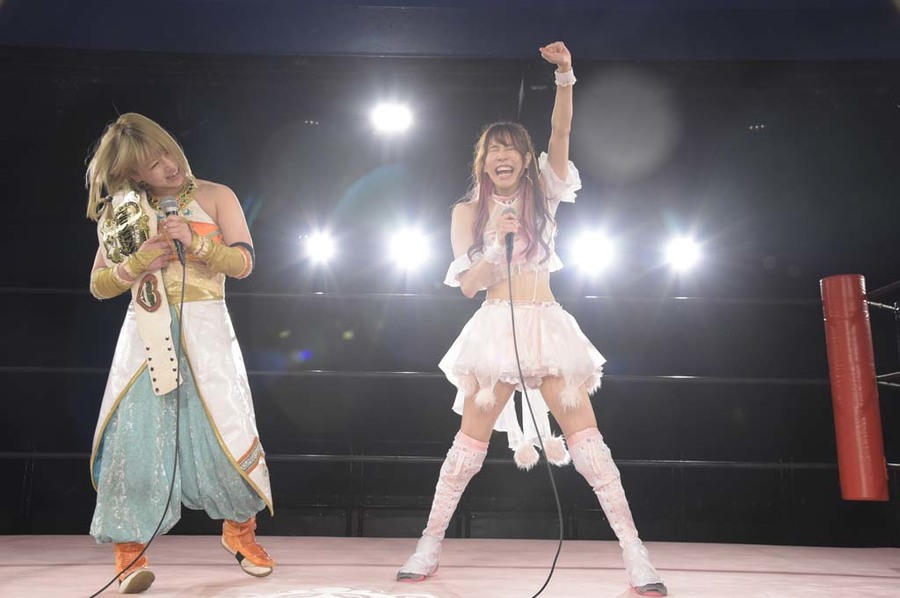
This was after Tenma explained why challenging for a title is like holding in a pee. Credit: TJPW
Okay, even by DDT/TJPW standards, that name is unusual. I’m assuming it’s something that doesn’t translate properly? It’s quite the mouthful either way.








 Ramblings About Wrestling